

Digital marketing for assisted living facilities is different from almost every other industry — 73% of senior care searches are made by adult children, not the person moving in. That single fact changes everything about how you should be showing up online. The person typing 'memory care near me' at midnight is stressed, probably guilty, and looking for a place they can trust with someone they love. Your marketing either meets that moment or it doesn't.
Who Is Actually Searching — and Why It Matters
The average senior care searcher is a 45–65-year-old adult child — often a daughter — managing a parent's decline while holding down a job and raising kids of her own. She's not browsing casually. She's searching in moments of urgency: after a fall, after a diagnosis, after a phone call that scared her.
That emotional context is the foundation of every marketing decision you make. Generic messaging about 'compassionate care' and 'quality of life' doesn't land with someone in crisis. What lands is specific, credible, and fast to process. She needs to know you have availability, she needs to see reviews from families like hers, and she needs to understand what it costs — all within about 30 seconds of landing on your page.
If your website doesn't answer those three things clearly, she'll move on to the next result. And she'll remember the one that helped her, not the one with the nicest photos.
Google Ads: Capturing Families the Moment They're Ready
No channel captures high-intent search traffic faster than Google Ads, and for assisted living facilities, timing is everything. A family actively searching 'assisted living [city]' or 'memory care near me' is often days or weeks away from making a decision — not months. That's the window you need to be in front of them.
The right Google Ads strategy for senior care goes beyond broad match keywords. You want tight ad groups built around specific search intent: facility type (memory care, skilled nursing, independent living), location (city, neighborhood, suburb), and urgency signals ('open now,' 'immediate availability,' 'short-term respite care'). Each of those intent clusters needs its own ad copy and its own landing page.
Cost-per-click in the senior care space runs high — typically $8–$25 per click depending on your market — but a single filled bed can be worth $3,000–$6,000 per month in recurring revenue. The math works if the targeting is tight and the landing page converts. Our Google Ads management is built around that outcome, not impressions. If you want to see how we structure campaigns for local service businesses, the results speak for themselves.
Tip: Add negative keywords for 'jobs,' 'careers,' and 'volunteer' immediately — you'd be surprised how much budget goes to waste before anyone notices.
Local SEO for Senior Care: The City + Type Formula
When a family isn't ready to click an ad — or when they're doing initial research — Google's organic results and local pack are where they land. Ranking for 'assisted living [city],' 'memory care [neighborhood],' and 'senior care near me' puts you in front of researchers who will become buyers in the next 30–90 days.
Local SEO for assisted living facilities runs on a specific combination of signals: your Google Business Profile, location-specific pages on your website, and review velocity. According to BrightLocal's consumer review research, 88% of consumers trust online reviews as much as personal recommendations — and in senior care, that trust factor is amplified. A family choosing a facility for their parent treats reviews like referrals from strangers who've been through exactly what they're going through.
Your website needs dedicated pages for each care type you offer (memory care, assisted living, respite care) and ideally for each location or service area. Thin, generic pages don't rank. Pages that answer specific questions — what memory care looks like day-to-day, how residents are kept safe, what the staff-to-resident ratio is — rank and convert. Our local SEO services include exactly this kind of page structure, built around what your actual prospects are searching for.
Google Business Profile and Reviews: Your Most Overlooked Trust Signal
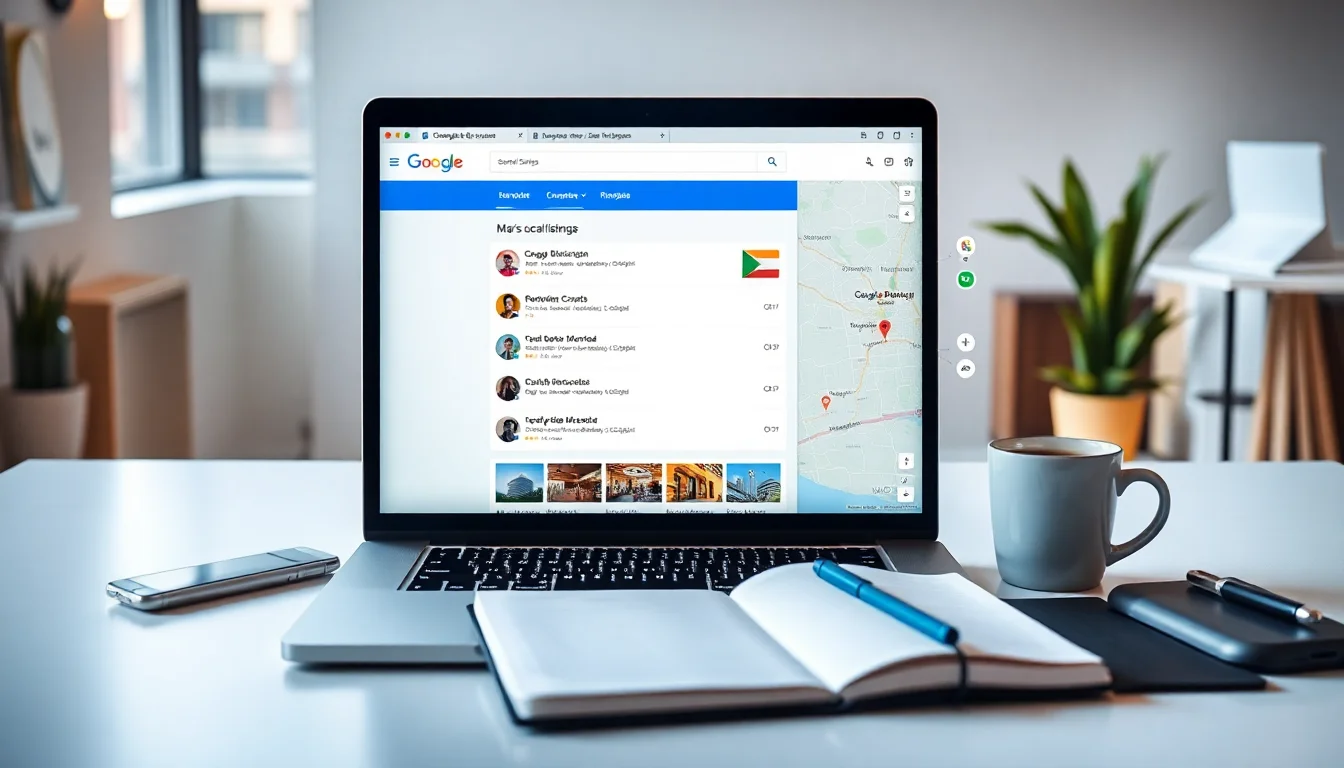
Your Google Business Profile is often the first impression a family gets — before they ever click through to your website. A complete, well-managed profile with recent photos, accurate hours, and a consistent stream of reviews does more for local rankings than most on-site SEO work.
For assisted living facilities specifically, review recency matters as much as volume. A facility with 40 reviews from three years ago looks stagnant next to a competitor with 20 reviews from the last six months. Families want to know what the experience is like right now, not what it was like when the previous director was there.
Build a simple process for requesting reviews from families of current residents — a short email with a direct link to your GBP review form, sent 30–60 days after move-in when the family has settled into a routine and seen the care in action. Don't wait for the exit survey. The families most likely to leave a glowing review are the ones who are relieved, not the ones who are leaving.
Note: Responding to every review — positive and negative — is a ranking signal and a trust signal. A facility that responds thoughtfully to a critical review shows families you take concerns seriously. Silence reads as defensiveness.
Content That Answers the Questions Families Are Actually Asking
One of the highest-traffic questions in the senior care space is some version of 'how much does assisted living cost.' According to Genworth's 2025 Cost of Care Survey, the national median monthly cost of assisted living is now over $5,500 — and families searching for this information are in active research mode. If your website answers that question clearly, you capture that traffic and build credibility before the first call.
Beyond cost, the content that drives the most qualified traffic to senior care websites tends to be question-based: 'what's the difference between assisted living and memory care,' 'signs your parent needs memory care,' 'how to talk to a parent about assisted living.' These aren't just SEO plays — they're the exact conversations your admissions team has every week. Publishing clear answers to these questions online means the family who finally calls already understands what you do and why it might be right for their situation.
This kind of content also performs well in AI search tools — ChatGPT, Perplexity, and Google's AI Overviews are increasingly the first stop for research queries. Facilities with thorough, accurate answers to common questions are being cited in those results. It's early, but the facilities building that content now will own the channel when it matures.
Common Mistakes Assisted Living Facilities Make With Digital Marketing
1. Marketing to seniors instead of their adult children: The messaging, imagery, and tone on most assisted living websites is aimed at the wrong person. If your homepage headline is about 'vibrant senior living,' you're speaking to someone who isn't doing the searching.
2. No cost information anywhere on the site: Hiding pricing doesn't make families more likely to call — it makes them bounce to a competitor who was upfront. Give at least a starting-from figure and explain what affects the final number.
3. One generic location page covering multiple facilities: If you operate multiple communities, each one needs its own page targeting its own city and care type. A shared page splits authority and ranks for nothing.
4. Letting reviews go stagnant: Three years of no new reviews is a red flag families notice, even if they can't articulate why. Treat review generation as an ongoing operational process, not a one-time push.
5. Running Google Ads without a dedicated landing page: Sending ad traffic to your homepage is one of the most common and expensive mistakes in senior care marketing. Each ad campaign needs a page built specifically for that search intent, with a clear next step.
6. No follow-up system for form leads: Families searching for care are often speaking to three or four facilities simultaneously. If your response time to a website inquiry is 24–48 hours, you've already lost to the competitor who called back in 20 minutes.
Working with an assisted living marketing agency that understands the senior care sales cycle — including the emotional complexity of the decision — makes the difference between campaigns that generate inquiries and campaigns that fill beds. The two are not automatically the same thing.
Fill More Beds With Digital Marketing Built for Senior Care Operators
The hardest part of running an assisted living facility isn't delivering great care — it's getting the right families to know you exist before they've already committed somewhere else. Most facilities are running on referral networks and hope, with a website that hasn't been touched since the last management change.
The families you want to reach are searching right now. They're on Google at 11pm trying to figure out next steps. They're reading reviews. They're clicking ads. They're asking AI tools what memory care actually costs. If your digital presence isn't in those moments, your competitors are.
Book your free strategy session or get in touch to see what's included.
Frequently Asked Questions
Primarily adult children — typically daughters aged 45–65 — who are researching options for an aging parent. Seniors rarely do their own facility searches. This means your marketing should speak directly to the adult child's concerns: safety, cost, quality of care, and how to have the conversation with their parent.
Cost-per-click in the senior care space typically ranges from $8–$25 depending on your city and competition level. Budget requirements vary, but most facilities need at least $1,500–$3,000/month in ad spend to generate a consistent volume of inquiries. One filled bed usually covers months of ad spend.
Most facilities see meaningful movement in local rankings within 3–6 months of a properly structured SEO effort. Google Ads delivers leads immediately. The strongest long-term strategy runs both simultaneously — ads fill the pipeline while SEO builds the organic foundation.
At minimum: transparent pricing information (or at least a starting-from range), a clear explanation of each care type you offer, recent family reviews, staff credentials, photos of the actual facility, and a frictionless way to schedule a tour or speak with someone. Families in crisis mode don't have patience for vague language or buried contact forms.
Build a simple review request process: send a direct GBP review link to families 30–60 days after their loved one moves in, when the initial relief and positive impressions are fresh. Train your admissions and care teams to mention reviews in conversation. Respond to every review — positive and critical — within a week.















.png)














.png)
.png)
.png)
.png)
.png)

.png)
.png)
.png)
.png)
.png)


.png)
.png)


