

The average HVAC company loses 40–60% of its monthly revenue when the weather turns mild — and most owners treat that as an unavoidable fact of life. It's not. Digital marketing for HVAC companies, done properly, fills the gaps between heatwaves and cold snaps with maintenance calls, system replacements, and tune-up bookings that keep your trucks moving year-round.
The problem isn't the season. It's that most HVAC marketing is reactive — you show up when someone's sweating through a broken AC, and you disappear when the weather's pleasant. Google doesn't work that way. Your competitors are showing up in search results 365 days a year, whether it's 95°F or 65°F outside.
Here's how to build a marketing system that captures emergency calls, ranks for local searches, and turns every completed job into the next one.
The Feast-or-Famine Problem HVAC Owners Actually Face
Summer and winter are easy. Phones ring, dispatchers are stretched thin, and the diary fills itself. The shoulder seasons — spring and fall — are where HVAC businesses bleed. No urgency, no emergency, and no pipeline from the busy period because nobody built one.
The fix isn't discounting or hoping for an early heatwave. It's building marketing that positions you for maintenance contracts, system replacements, and indoor air quality upgrades during the months when homeowners actually have time to think about their HVAC system. That's a content and SEO play, not a paid ads play.
The companies that dominate their local market aren't just running Google Ads in July. They're ranking for "HVAC maintenance near me" in April, collecting reviews in February, and showing up in Google Maps results every single day of the year. That's a system — not a summer campaign.
How Google Ads Captures Emergency HVAC Calls
When someone's AC fails at 8pm on a Tuesday in July, they're not scrolling Instagram. They're typing "AC repair near me" into Google and calling the first number they trust. Google Ads management puts you at the top of that search — not in three months, but today.
For HVAC, Search campaigns targeting high-intent keywords like "emergency AC repair," "furnace not working," and "HVAC company near me" deliver the fastest return of any marketing channel. According to Backlinko, the average click-through rate for the top Google Ads position across service industries sits above 6% — and HVAC emergency keywords convert significantly higher than that because the intent is immediate and the need is urgent.
The key is campaign structure. Separate campaigns for emergency repair, planned replacement, and maintenance mean you're not paying emergency CPC rates for tune-up bookings. You're matching bid strategy to job value, and your budget goes where the margin is.
Tip: Run call extensions on every HVAC ad. The majority of emergency HVAC conversions happen by phone — not form fill. If someone can't call you in one tap, they're calling your competitor.
Local SEO for HVAC: Building the Year-Round Pipeline
Google Ads stops the moment you stop paying. Local SEO compounds. Every page you rank, every review you collect, and every citation you build keeps working whether your ads are on or off — which is exactly what fills the shoulder-season gap.
For HVAC companies, local SEO starts with location-specific service pages. "AC Repair in [City]," "Heat Pump Installation in [City]," "Furnace Replacement in [City]" — each one targets a distinct search query and a distinct customer intent. A single homepage can't rank for all of them. You need dedicated pages, written with the local market in mind, that Google can match to local searches with precision.
Beyond pages, the off-season content play is powerful for HVAC. Blog posts targeting "how often should I service my AC," "signs your furnace needs replacing," and "heat pump vs gas furnace" capture homeowners who are researching — not yet ready to call, but building trust with whoever shows up consistently in their search results. That's you, if you've built the content.
Marketing Channel | Best For | Time to Results | Stops When You Stop?
Google Ads — Emergency calls, immediate demand — Same day — Yes
Local SEO — Year-round pipeline, maintenance — 3–6 months — No
Google Business Profile — Map pack visibility, local trust — Weeks to months — No
Review Generation — Conversion rate, brand trust — Ongoing — No
Google Business Profile: Your Most Underused HVAC Asset
Most HVAC companies set up their Google Business Profile once and never touch it again. That's leaving serious ground to competitors who treat it as a live marketing channel — because that's exactly what it is.
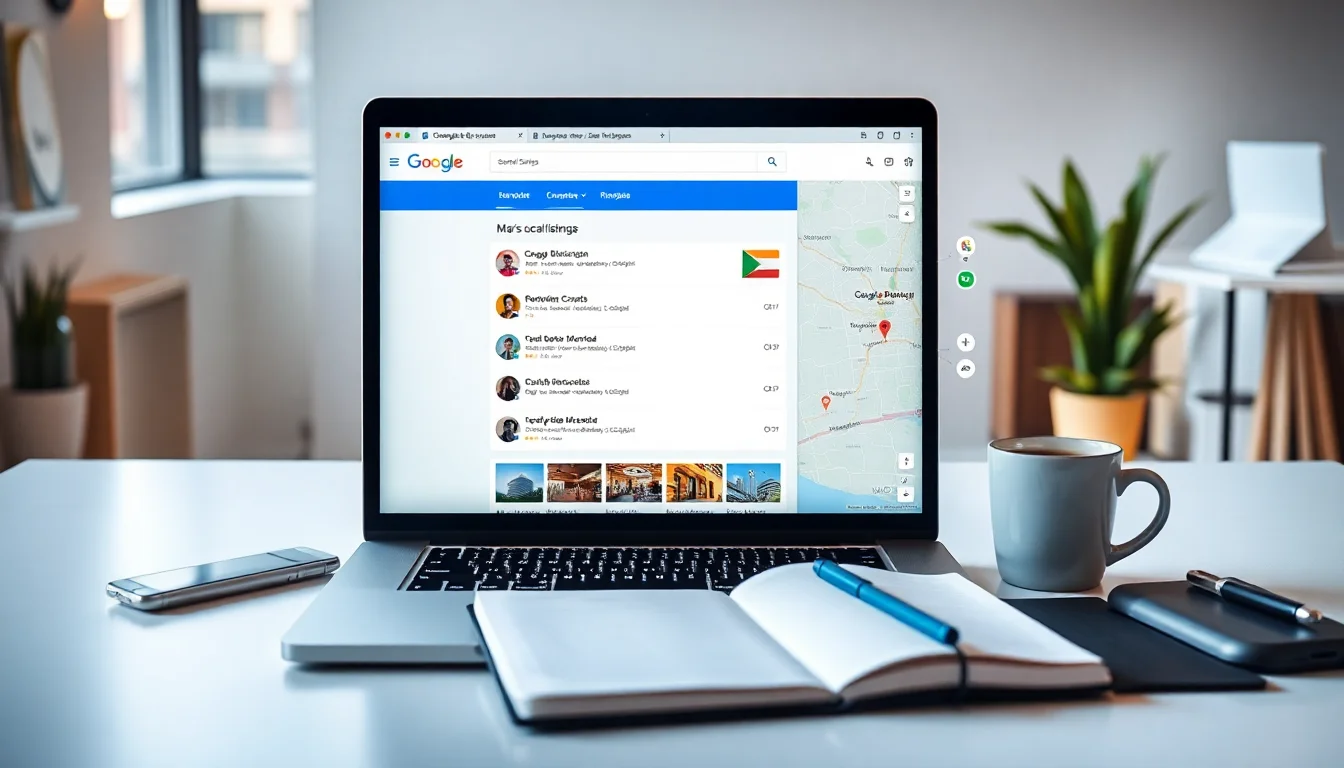
The Map Pack (the three local results that show up above organic search) is where the majority of local HVAC clicks go. According to BrightLocal's research, 98% of consumers used the internet to find a local business in 2024, and Google Maps results are the dominant discovery channel for service businesses. If you're not in the Map Pack for "HVAC near me" in your service area, you're invisible to the majority of your potential customers.
GBP management for HVAC means keeping your service list updated, posting regularly (seasonal offers, maintenance reminders, new services), uploading job photos, and — critically — responding to every review within 48 hours. Google uses engagement signals to determine Map Pack ranking. An active, well-managed GBP outranks a neglected one, even if the neglected one has more reviews.
Note: Your GBP service area should match your actual service area, not just your city. If you serve 10 towns, list all 10. Google uses service area data when matching searches to nearby providers.
Review Generation: The HVAC Conversion Tool Nobody Talks About Enough
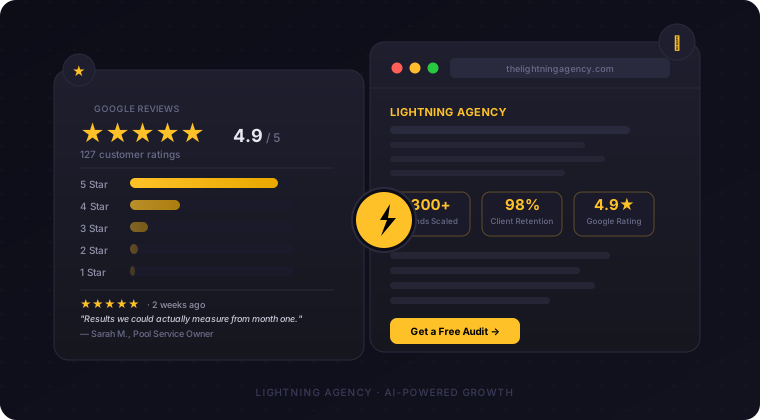
When someone's AC breaks on the hottest day of the year, they have 90 seconds to decide who to call. They look at Google Maps, see three HVAC companies, and call the one with 120 reviews at 4.8 stars over the one with 12 reviews at 4.2. Reviews are not a vanity metric. They're a direct conversion driver.
The challenge for HVAC is that most technicians finish a job, get a handshake and a thank-you, and leave without asking for a review. That's understandable — it's an awkward ask in person. The fix is automating it. A text message sent two hours after job completion, with a direct link to your Google review page, converts at a far higher rate than asking in the moment or not asking at all.
Target 10 new reviews per month as a baseline. That volume keeps your profile looking active, pushes your rating higher over time, and gives Google the fresh signal it uses to maintain your Map Pack position. HVAC companies that build a systematic review process average 3–4x more reviews per year than those that rely on customers doing it organically.
If you want to see how this works alongside a full digital strategy, our HVAC marketing agency page covers the complete system we run for heating and cooling contractors.
Common Digital Marketing Mistakes HVAC Companies Make
1. Running ads only in summer: Emergency demand is seasonal. Replacement and maintenance demand is year-round. Pausing ads in April means your competitors own the shoulder season while you wait for July.
2. Using a single homepage to rank for every service: Google can't rank one page for "AC repair," "furnace installation," "heat pump service," and "HVAC maintenance" simultaneously. Dedicated service pages are non-negotiable.
3. Ignoring the GBP after setup: A static GBP profile is not a ranking asset. Weekly posts, fresh photos, and prompt review responses are what keep you in the Map Pack.
4. No follow-up system for reviews: Waiting for customers to leave reviews voluntarily means you'll collect a fraction of what you've earned. Automate the ask — the conversion rate difference is significant.
5. Tracking calls but not attributing them to channels: If you don't know whether your calls are coming from Google Ads, organic search, or Maps, you can't cut what's not working or double down on what is. Call tracking is not optional.
6. Building no off-season content: If your website has no content targeting maintenance, inspection, or replacement searches, you have no visibility when the weather is mild. Content is the off-season revenue machine.
If any of those hit close to home, the Google Ads management and local SEO services we run for HVAC contractors are built specifically to fix them — not in theory, but with actual campaigns running in your service area.
Get More HVAC Calls Year-Round — Not Just When It's Hot
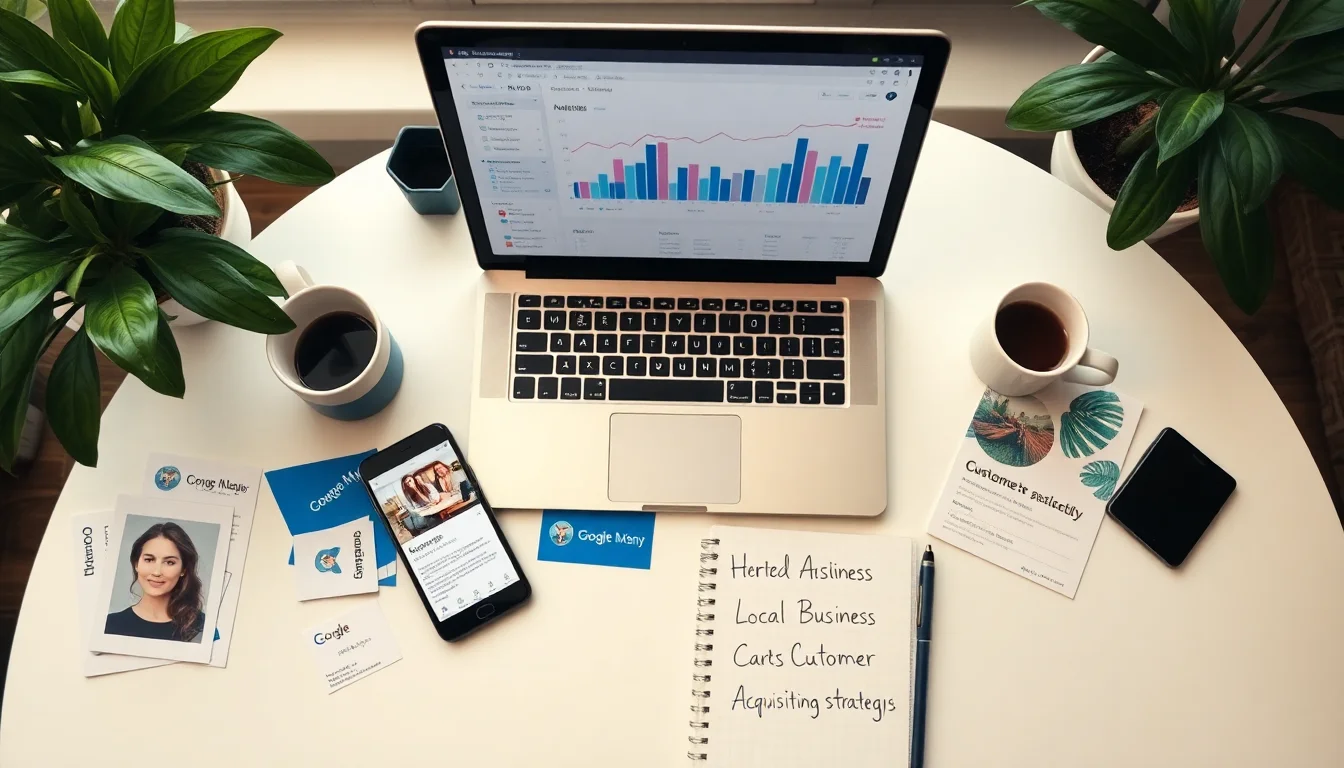
You already know how to fix a broken AC unit. The frustrating part is watching the phone go quiet every spring, knowing the margin is there if the calls would just keep coming. A proper digital marketing strategy — Ads capturing emergency demand, SEO building the pipeline, GBP driving Map Pack visibility, reviews converting the click into the call — is what turns a seasonal business into a consistent one.
This isn't about spending more. It's about making sure every pound of marketing budget you're already spending is working across all 12 months, not just the three or four when customers have no choice but to call someone.
Book your free strategy session or get in touch to see what's included.
Frequently Asked Questions
It depends on your service area and competition, but most HVAC companies in mid-size markets see solid results starting at $1,500–$3,000/month in ad spend. Larger metro areas with strong competition often require $4,000–$7,000/month to maintain consistent Map and Search visibility. The key metric is cost per booked call, not cost per click — track that from day one.
Realistically, 3–6 months to see meaningful ranking movement for competitive terms like "AC repair near me." Less competitive searches — longer-tail queries and smaller towns — can move faster, sometimes within 6–10 weeks. The timeline is the reason to start before your next busy season, not during it.
Automate the ask. Send a text message with a direct Google review link 1–2 hours after job completion, when the customer is still satisfied and the experience is fresh. In-person asks have a lower conversion rate than a well-timed, frictionless text. Aim for 10 new reviews per month as a sustainable target.
Both, at different stages. Google Ads gives you immediate visibility for emergency searches — you can be at the top of results today. Local SEO builds long-term organic ranking that doesn't stop when your budget does. The strongest HVAC marketing strategies run both simultaneously: Ads for immediate demand capture, SEO for compounding pipeline.
Technically no, but practically yes. Your Google Business Profile can rank without a website, but a properly built website with location-specific service pages significantly improves your Map Pack ranking and gives potential customers somewhere to go after clicking your listing. A GBP without a website leaves conversion to chance.














.png)











.png)
.png)
.png)
.png)
.png)

.png)
.png)
.png)
.png)
.png)


.png)
.png)


