

Small businesses that implement digital marketing see an average revenue increase of 23% within their first year, according to recent industry data. But here's the catch: most small business owners are either doing digital marketing wrong, or they're not doing it at all.
Digital marketing for small business isn't about having the biggest budget. It's about knowing which channels actually move the needle for your specific industry and audience. The good news? You don't need to master every platform or chase every trend to see real results.
Why Digital Marketing Matters More Than Ever for Small Businesses
Your customers are online. Over 5 billion people use the internet daily, and 97% of consumers search online before making a purchase decision.
Traditional advertising methods like Yellow Pages and newspaper ads have lost their effectiveness. Meanwhile, digital channels let you target your exact customer at the moment they're looking for your service. That's precision your competition probably isn't achieving.
Important: Digital marketing isn't just for tech companies. Local service businesses, restaurants, retail stores, and professional services all benefit from a strategic online presence.
The 7 Most Effective Digital Marketing Strategies for Small Business
1. Search Engine Marketing (Google Ads + SEO)
When someone searches for your service, you want to appear at the top. This happens through two channels: paid Google Ads and organic search results from SEO services.
Google Ads give you immediate visibility but require ongoing budget. SEO takes longer to build but provides consistent traffic without per-click costs. Most successful small businesses use both strategies together.
Strategy | Time to Results | Monthly Investment | Best For
Google Ads — Same day — $1,500+ ad spend — Immediate leads needed
SEO — 3-6 months — $1,500+ services — Long-term growth
2. Social Media Advertising
Facebook and Instagram ads let you target customers by demographics, interests, and behaviors. Unlike organic social media posts, social media advertising guarantees your content reaches your ideal customer.
The key is choosing the right platform. B2B services often perform better on LinkedIn. Local consumer services see strong results on Facebook and Instagram.
3. Content Marketing That Actually Converts
Content marketing isn't about posting random blog articles. It's about creating content that answers your customers' specific questions and positions your business as the solution.
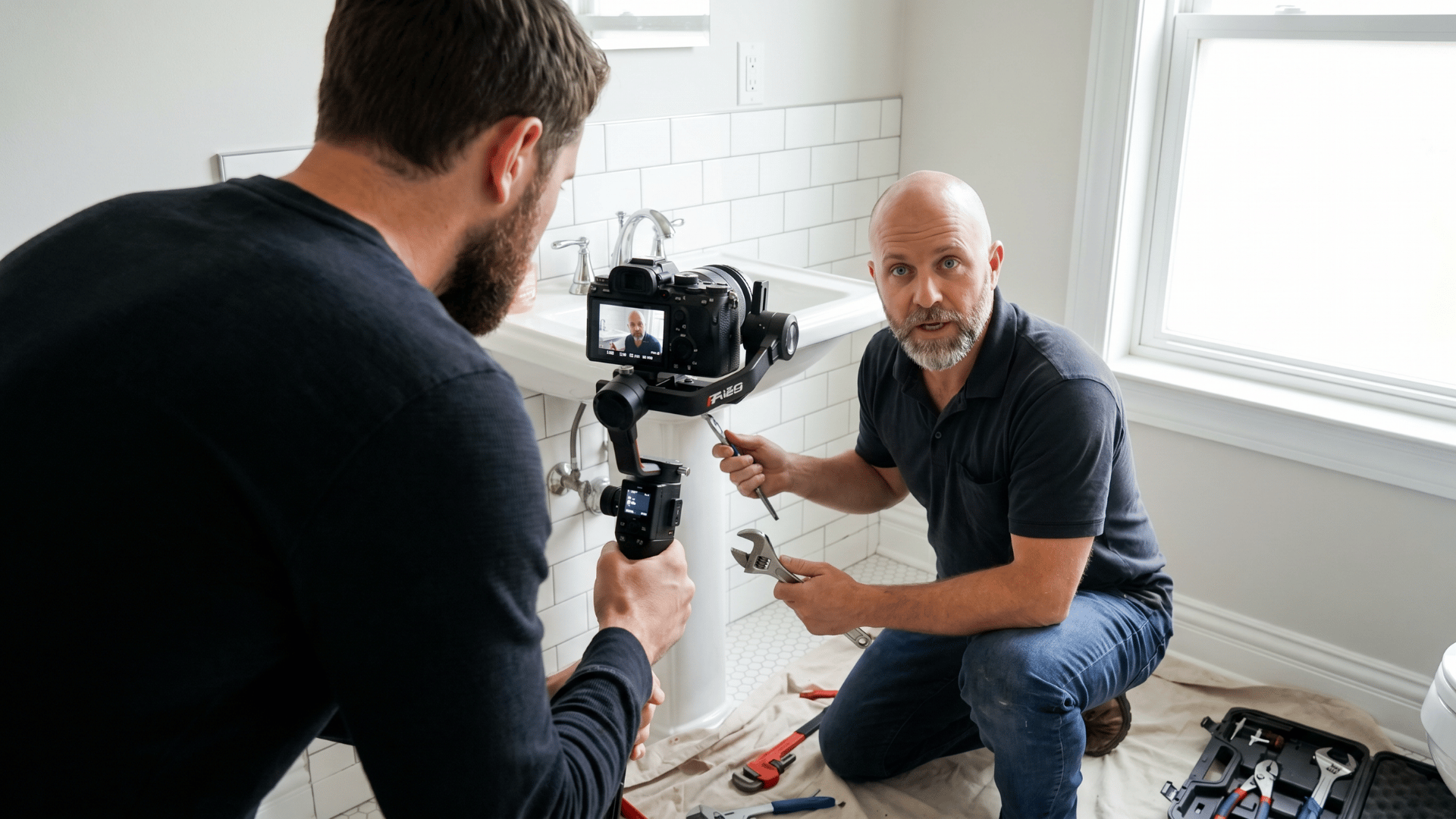
The most effective content addresses problems your customers face before they even realize they need your service. A plumbing company might write about 'signs you need pipe replacement' rather than 'why choose our plumbing services.'
4. Email Marketing for Customer Retention
Email marketing delivers an average ROI of $42 for every $1 spent, making it one of the highest-performing digital channels. For small businesses, email excels at keeping past customers engaged and encouraging repeat business.
Tip: Set up automated email sequences for new customers, seasonal reminders, and follow-ups after service completion.
5. Online Reputation Management
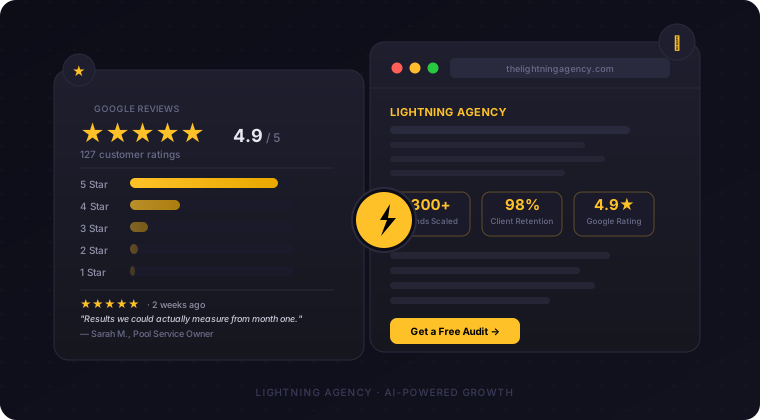
Your online reviews directly impact your revenue. 87% of consumers read online reviews before choosing a local business, and businesses with higher review scores charge premium prices.
Focus on Google Business Profile reviews first, then expand to industry-specific platforms like Angie's List for contractors or Yelp for restaurants.
6. Local SEO and Google Business Profile
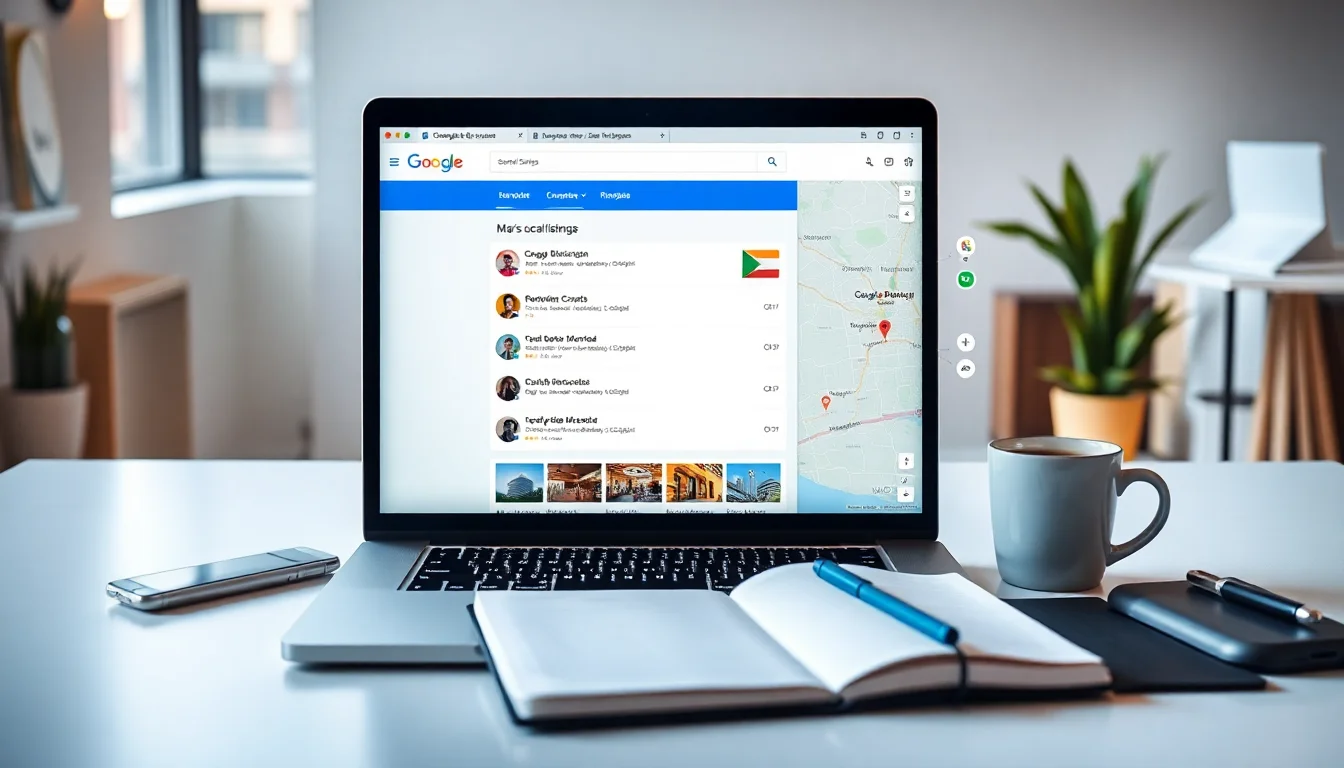
If you serve customers in specific geographic areas, local SEO is non-negotiable. When someone searches 'plumber near me' or 'pizza delivery,' Google shows local businesses first.
Your Google Business Profile acts as your digital storefront. Complete profiles with photos, hours, and regular updates rank higher in local search results.
7. Marketing Automation
Marketing automation handles repetitive tasks like follow-up emails, appointment reminders, and lead nurturing. This frees up your time while ensuring no potential customer falls through the cracks.
Simple automation like sending a thank-you email after a purchase or following up with leads who didn't convert can increase your revenue by 10-15% without additional advertising spend.
Common Digital Marketing Mistakes Small Businesses Make
1. Trying every platform at once: It's better to excel on 2-3 channels than to spread yourself thin across 10 different platforms.
2. Focusing on vanity metrics: Likes and followers don't pay your bills. Track leads, calls, and actual revenue generated from your digital efforts.
3. Inconsistent posting schedules: Sporadic content posting confuses search engines and customers. Set a realistic schedule and stick to it.
4. Ignoring mobile users: Over 60% of searches happen on mobile devices. If your website isn't mobile-friendly, you're losing customers.
5. Not tracking results: Without proper tracking, you can't tell which marketing efforts are working and which are wasting your money.
6. Copying competitors blindly: What works for another business might not work for yours. Base your strategy on your customer data, not assumptions.
How to Choose the Right Digital Marketing Mix
Not every digital marketing strategy works for every business. Your ideal mix depends on your industry, target customer, and business goals.
Service-based businesses typically see strong results from Google Ads and SEO because customers actively search for solutions. Retail businesses often benefit more from social media advertising and email marketing to drive repeat purchases.
Note: Start with 2-3 channels that align with how your customers actually find businesses like yours. Build momentum there before expanding to additional platforms.
The biggest mistake is trying to do everything at once with no clear strategy. Professional marketing consulting can help you identify which channels will deliver the best ROI for your specific business.
Budget Planning for Small Business Digital Marketing
Most small businesses should allocate 7-12% of their revenue to marketing, with 60-80% of that budget going to digital channels. This isn't just advertising spend—it includes tools, services, and any agency fees.
Here's a realistic breakdown for a $500K revenue business:
Channel | Monthly Budget | Purpose
Google Ads — $1,500 — Immediate lead generation
SEO Services — $1,500 — Long-term organic growth
Social Media Ads — $800 — Brand awareness + retargeting
Email Marketing — $200 — Customer retention
Tools & Software — $300 — Analytics, automation, CRM
The key is starting with proven channels and scaling up as you see results. Many successful small businesses begin with just Google Ads or SEO, then expand their digital presence as revenue grows.
Measuring Your Digital Marketing Success
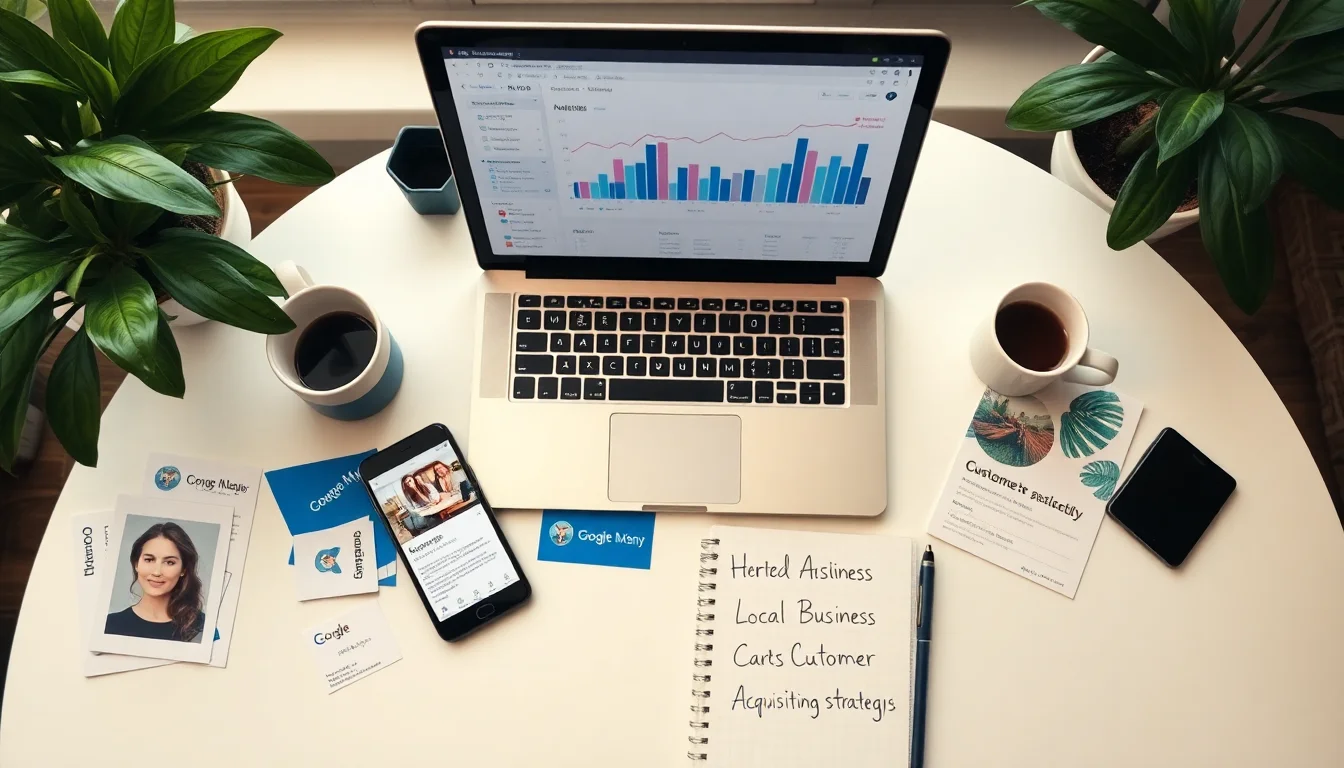
Revenue matters more than vanity metrics. Track these key performance indicators:
Lead Generation Metrics: Phone calls, contact form submissions, and quote requests generated from digital channels.
Conversion Metrics: What percentage of digital leads become paying customers? This tells you if you're attracting quality prospects.
Cost Per Acquisition: How much you spend to acquire each new customer through digital marketing. This should be significantly lower than your customer lifetime value.
Return on Investment: Total revenue generated from digital marketing divided by your total digital marketing spend. Successful campaigns typically deliver 3-5x ROI.
Frequently Asked Questions
Most small businesses should invest 7-12% of their revenue in marketing, with 60-80% of that budget going to digital channels. A $500K revenue business might spend $3,000-4,000 monthly on digital marketing including advertising, tools, and services.
Local businesses see the strongest results from Google Ads, local SEO, and Google Business Profile improvement. These channels target customers who are actively searching for your service in your geographic area.
Google Ads can generate leads the same day you launch. SEO typically takes 3-6 months to show significant results. Social media advertising usually shows results within 2-4 weeks. Email marketing can deliver immediate results if you already have a customer list.
Simple digital marketing like social media posting can be done in-house. Complex strategies like Google Ads management, SEO, and marketing automation typically require professional expertise to avoid wasting money and achieve optimal results.
Email marketing typically delivers the highest ROI at $42 return for every $1 spent. However, you need customers and leads first. For lead generation, Google Ads and SEO usually provide the most consistent results for small businesses.

















.png)













.png)
.png)
.png)
.png)
.png)

.png)
.png)
.png)
.png)
.png)


.png)
.png)


