
Restaurants that rank in Google's local 3-Pack get 42% more map-based direction requests than those that don't — yet most independent owners are still paying Yelp $400 a month for clicks they can't track. Marketing for restaurant owners doesn't have to be a money pit. The problem is the platforms most restaurants default to are designed to extract your budget, not build your business.
This is the playbook that actually moves the needle: own your Google presence, rank for the searches your customers are already making, and use Meta ads to fill tables on the nights that matter.
Why Yelp and OpenTable Are Draining Your Budget
Yelp's pay-per-click model sounds reasonable until you realise you're paying for people who are still comparing you to four competitors on the same page. You don't own the relationship. Yelp does. When a diner clicks through and doesn't book, that money's gone — and Yelp keeps the customer data.
OpenTable charges a cover fee of around $1–$2 per diner seated through the platform. For a 200-cover service, that's real money leaving your margin every single week. The platform keeps the reservation data and regularly markets your competitors to diners who've already eaten with you.
Neither platform builds anything that compounds. The moment you stop paying, the visibility stops. That's not marketing — that's renting attention you'll never own.
Google Business Profile: Your Highest-ROI Marketing Channel
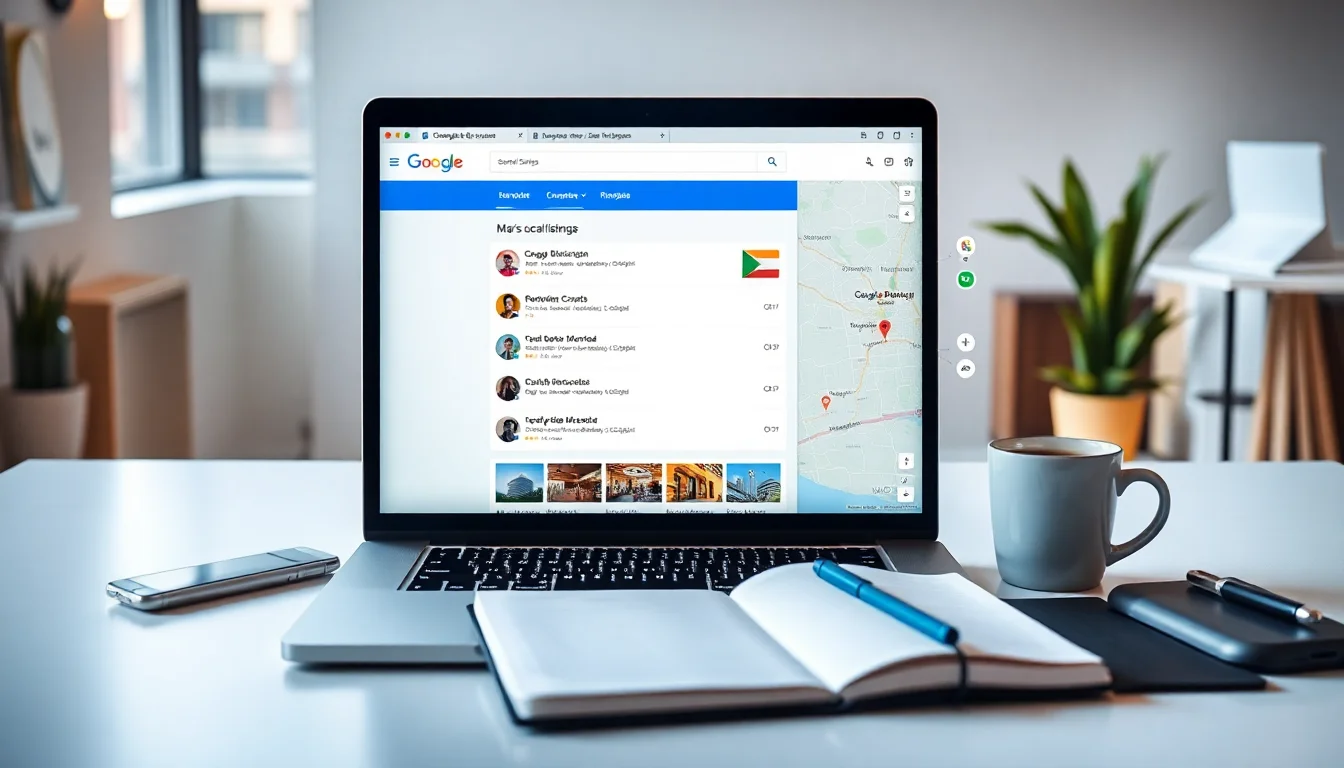
Google Maps is where walk-in decisions get made. Someone in your neighbourhood searches "Italian restaurant open now" and the local 3-Pack decides whether they're coming to you or crossing the street. A fully built-out Google Business Profile (GBP) is the single highest-return move most independent restaurants aren't doing properly.
Fill every field. Hours, menu link, photos updated weekly, attributes ticked (outdoor seating, reservations accepted, good for groups). Most GBP profiles look abandoned because the owner set them up two years ago and forgot they existed. Google rewards active profiles with better placement.
Post to your GBP weekly — think of it like a mini social feed Google actually uses as a ranking signal. Announce specials, events, seasonal menus. Upload fresh food photos. The algorithm notices recency, and so do customers deciding in the moment.
Tip: Add your menu directly inside GBP rather than just linking out. Google can surface individual dishes in search results, which means your wood-fired pizza can appear when someone searches exactly that in your postcode.
Local SEO for Restaurants: Rank for the Searches That Matter
Your website needs to rank for neighbourhood + cuisine + type searches. "Best brunch spots in Thornton Park," "Thai restaurant Kissimmee," "BYOB Italian Orlando" — these are high-intent searches from people who are ready to eat, not just browsing. Most restaurant websites are a single homepage with a PDF menu and no local SEO in sight.
Build location-specific pages if you have multiple sites. If you're a single location, your homepage needs to explicitly name your neighbourhood, your cuisine type, and what makes you different — not buried in the footer, but in proper heading tags. Schema markup for restaurants (LocalBusiness, Menu, Restaurant type) tells Google exactly what you are and helps surface your hours, price range, and cuisine directly in search results.
Reviews are part of your SEO. Google's algorithm weights both volume and recency. A restaurant with 400 reviews that went quiet six months ago will rank below a newer competitor actively collecting 30+ reviews a month. Your review strategy isn't a nice-to-have — it's an SEO lever. More on that below.
If you want this done properly rather than guessing at it, our local SEO services are built specifically for businesses where location is the whole game. We've seen it drive consistent walk-in traffic for service businesses across Central Florida — restaurants included. See how we approach digital marketing for restaurants specifically, including what's worked for independent owners in competitive markets.
Instagram and Facebook Ads for Restaurants: Fill Tables When It Counts
Meta ads are genuinely good for restaurants when used correctly. The problem is most owners either run them like billboards (brand awareness with no call to action) or blow the budget on broad audiences that have no intention of visiting. The right approach is tight geography, high-intent creative, and a clear offer.
For event promotion — a Valentine's Day set menu, a Sunday jazz brunch, a private dining launch — Meta is hard to beat. You can target within a 5-mile radius, exclude people who've never engaged with you before, and layer in interest targeting (foodies, date night searches, local events). Run the campaign 10–14 days out with a strong CTA to your reservation link.
For new customer acquisition, video creative outperforms static every time. A 15-second clip of your kitchen, your best dish being plated, or the atmosphere on a Friday night will out-click a graphic with your logo. You don't need a production crew — clean phone footage with decent lighting converts. The targeting does the heavy lifting.
Note: Don't run ads without a conversion goal attached. "Get more website visits" is not a result. Track reservation clicks, phone calls, and direction requests. If your Meta ads management isn't giving you cost-per-reservation numbers, you're flying blind.
Platform | Best Use | Cost Structure | You Own the Data?
Yelp — Comparison browsing — Pay-per-click — No
OpenTable — Reservations — Per-cover fee — No
Google Maps (GBP) — Walk-in decisions — Free (with effort) — Yes
Meta Ads — Events, new customers — Paid, controllable — Yes
Local SEO — Ongoing organic traffic — Monthly retainer — Yes
Review Strategy: The Engine Most Restaurants Are Leaving Idle
Reviews are one of the most visible trust signals a new customer sees before they ever step through your door. A restaurant with 4.6 stars and 300 reviews will almost always get the booking over one with 4.8 stars and 40. Volume matters as much as score.
The collection problem is almost always friction. Asking verbally at the end of a meal works occasionally. A QR code on the receipt that goes directly to your Google review page works consistently. The fewer taps between the ask and the review box, the higher the conversion rate.
Respond to every review — five stars and one star both. Google's own guidance recommends responding to reviews, and it signals to the algorithm that your listing is actively managed. For negative reviews, respond calmly, take responsibility where it's warranted, and offer to make it right offline. Future customers read your responses as much as the reviews themselves.
A steady drip of 20–30 new reviews a month will do more for your local rankings than most paid tactics. Build it into your floor manager's closing checklist.
Common Mistakes Restaurant Owners Make With Marketing
1. Paying Yelp on autopilot: Most owners set up Yelp ads and forget them. Log in, check your cost-per-click, and compare it against any measurable outcome. If you can't attribute a single booking to it this month, pause it.
2. Ignoring the GBP after setup: A stale Google Business Profile with photos from 2023 and no recent posts is actively hurting your rankings. Treat it like a living listing.
3. Running ads with no conversion tracking: Knowing your ad reached 8,000 people tells you nothing. Track direction requests, reservation clicks, and phone calls. That's where the real data lives.
4. Collecting reviews reactively: Waiting for happy customers to leave reviews on their own is a losing strategy. Build an active ask into every service.
5. Targeting too broadly on Meta: A 25-mile radius for a neighbourhood restaurant is wasted budget. Tight geography, specific audience, clear offer — that's the formula.
6. No neighbourhood SEO on the website: If your website doesn't mention your suburb, your cuisine type, and your city in proper heading tags, Google has no idea who to show you to.
Start Driving Real Walk-In Traffic for Your Restaurant
If your current marketing spend goes mostly to platforms you don't control, you already know something's off. Yelp keeps the data, OpenTable keeps the customer, and you keep paying. It's a treadmill with a monthly invoice attached.
The restaurants that consistently fill covers own their Google presence, rank for the searches happening in their neighbourhood, and use Meta ads to drive specific actions on specific nights. That's not complicated — it's just not what most paid platforms want you to know.
Book your free strategy session or get in touch to see what's included.
Frequently Asked Questions
A common benchmark is 3–6% of gross revenue. For an independent restaurant doing $80K a month, that's $2,400–$4,800. The mix matters more than the total — owned channels (SEO, GBP) compound over time, while paid platforms only work while you're spending.
Google, by a significant margin. Google Maps drives the majority of local search traffic, and your GBP is free to run. Yelp charges per click and you don't own the customer relationship. Most restaurants that cut Yelp ads and reinvest in Google see better results within 60–90 days.
Use a QR code on your receipt or table card that links directly to your Google review page — no searching required. Ask verbally after a positive experience. Respond to every existing review. Volume and recency both affect your local rankings, so make it a weekly habit rather than a one-off push.
Yes, when targeted correctly. Keep geography tight (3–5 miles), use video creative, and attach a clear call to action — reservation link, phone number, event signup. Broad brand awareness campaigns with no conversion goal rarely produce measurable results for restaurants.
It makes your restaurant appear when people in your area search for your type of food or dining experience. Ranking for "brunch spots in [your neighbourhood]" or "best Thai restaurant [your city]" puts you in front of customers who are actively deciding where to eat — without paying per click. Our local SEO services are built to drive exactly that kind of traffic.













.png)










.png)
.png)
.png)
.png)
.png)

.png)
.png)
.png)
.png)
.png)


.png)
.png)


