
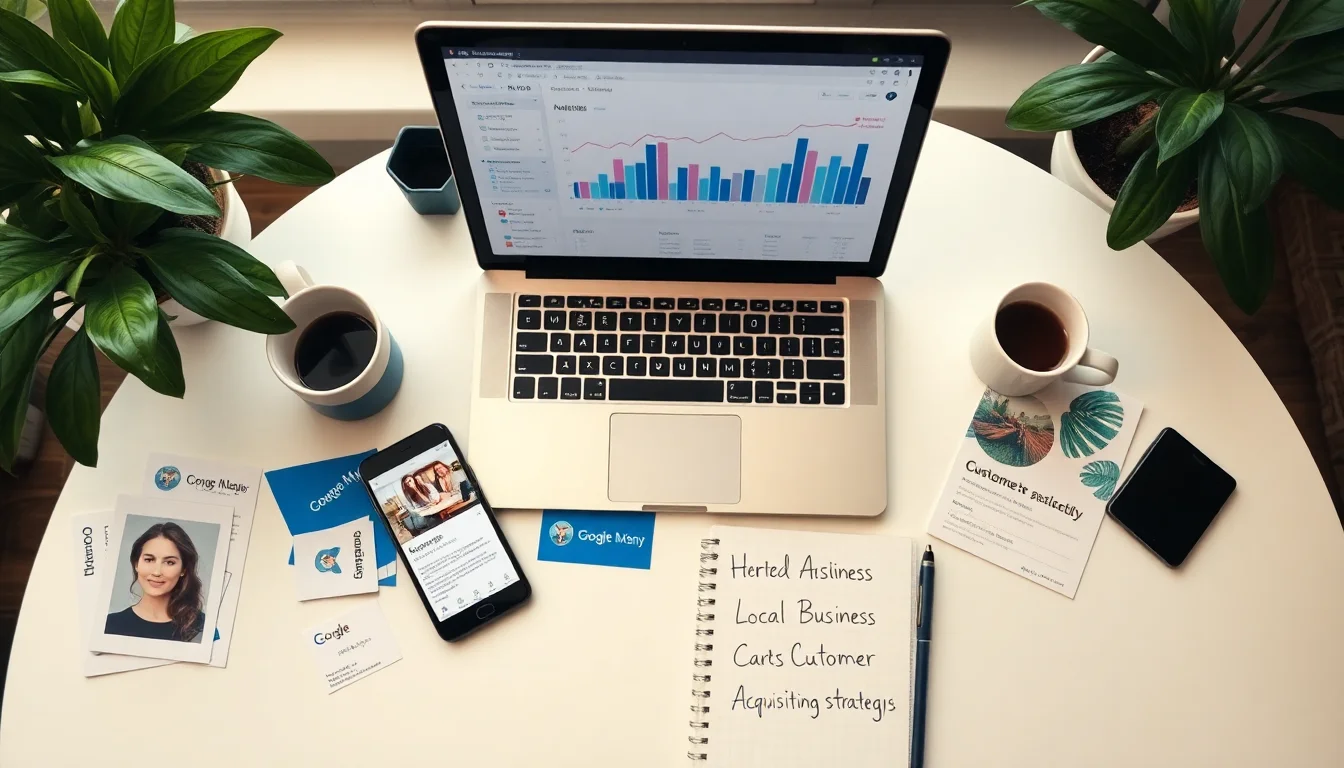
Learning how to get more customers for my local business shouldn't feel like throwing darts in the dark. Yet most business owners cycle through random tactics — posting on social media, running occasional ads, hoping word-of-mouth picks up — without a clear system that consistently brings in new customers.
The reality? Customer acquisition for local businesses has become both easier and harder. Easier because digital tools give you precise targeting and measurable results. Harder because your competitors are using the same tools, and customers expect to find you exactly when and where they're searching.
Here's what works in 2026 — backed by data, not guesswork.
Start with Google My Business: Your Free Customer Magnet
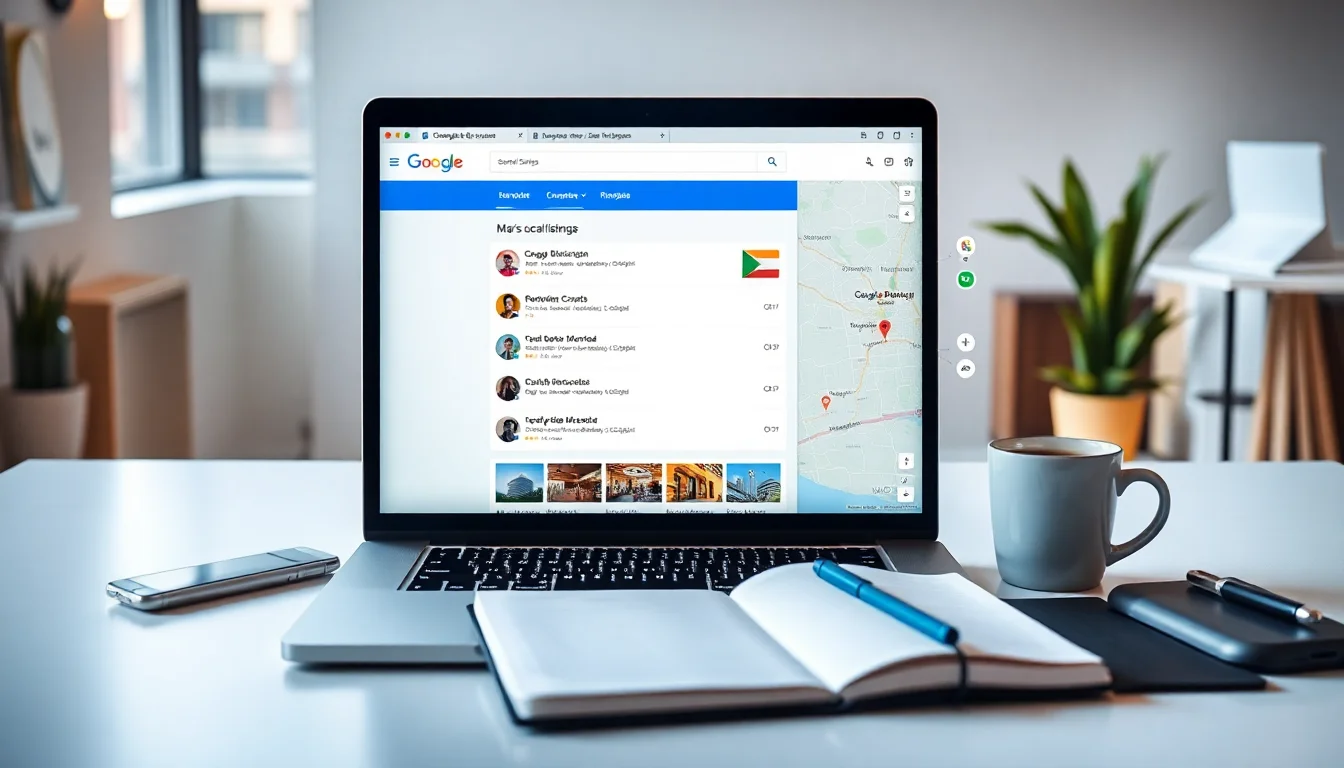
Your Google My Business profile is the foundation of local customer acquisition. Google reports that businesses with complete profiles get 2.7x more customer actions than incomplete ones.
Complete means more than just your address and phone number. Upload 10+ high-quality photos showing your work, products, or storefront. Respond to every review within 24-48 hours. Post weekly updates about services, offers, or industry tips. Enable messaging if customers prefer texting over calling.
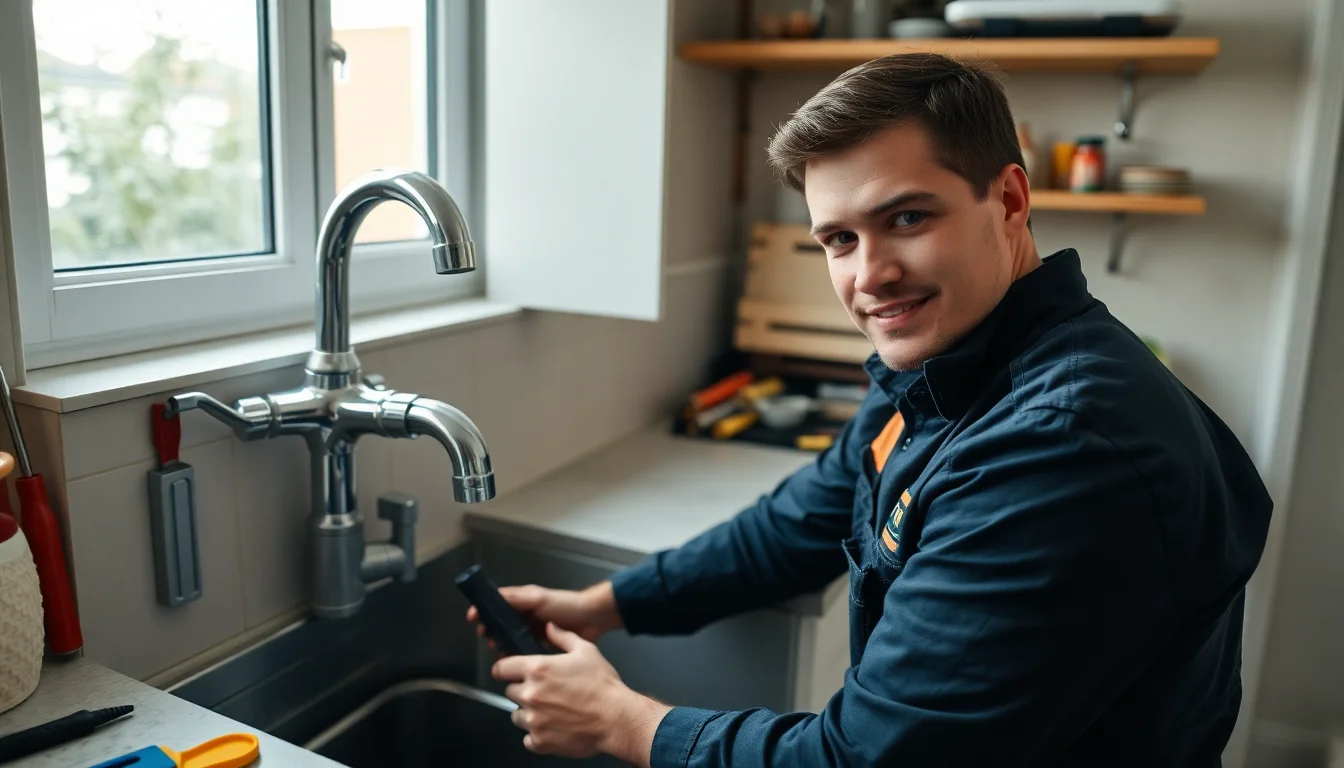
Most importantly, choose the right categories. Don't just pick the obvious one — if you're a plumber, also select 'emergency plumber' and 'drain cleaning service' if those apply. Each category is a new opportunity to show up in searches.
The businesses winning local search aren't just listed — they're active, responsive, and comprehensive.
Master Local SEO Before Paid Advertising
Paid ads get attention because they're immediate. But local SEO builds the foundation that makes everything else more effective. When someone searches 'plumber near me' or 'best pizza in Orlando,' you want to be found organically.
Smart Orlando businesses prioritize their digital marketing budget by getting SEO right first, then amplifying with paid channels.
Start with location pages. If you serve multiple areas, create dedicated pages for each city or neighborhood. Don't copy-paste the same content — write unique descriptions that mention local landmarks, challenges, or community connections.
Claim citations everywhere your competitors are listed. Moz research shows that citation consistency directly impacts local rankings. Use the exact same business name, address, and phone number across every directory, from Yelp to industry-specific sites.
Build pages around the services people actually search for. 'HVAC repair Orlando' gets more searches than 'comprehensive heating and cooling solutions.' Match how customers think and speak.
Use Google Ads for Immediate Results
While SEO builds long-term growth, Google Ads delivers customers today. The key is starting focused, not broad.
Begin with search ads targeting your highest-intent keywords. 'Emergency plumber Orlando' converts better than 'plumbing services' because the searcher has immediate need. Start with 5-10 tightly related keywords rather than casting a wide net.
Set up location targeting carefully. If you serve a 20-mile radius, don't advertise to people 50 miles away who'll never use you. Tighter targeting means lower costs and higher conversion rates.
Your ad copy should match the search exactly. If someone searches 'same day plumbing repair,' your headline should mention same-day service. Google rewards relevance with better positions and lower costs.
Budget $1,000-2,500 monthly minimum for competitive markets. Less than that, and you're fighting for scraps while competitors dominate the auction.
Turn Facebook and Instagram Into Lead Machines
Social media for local businesses isn't about going viral — it's about staying visible to your local community and capturing customers who aren't actively searching yet.
Facebook's local advertising tools are particularly powerful. You can target homeowners within 10 miles of your business, people who've recently moved, or those interested in specific home improvement topics. Meta's advanced targeting can be especially effective for reaching specific demographics in your service area.
Post consistently but strategically. Share before-and-after photos, quick tips that demonstrate expertise, and customer testimonials. Video performs 2-3x better than static posts — even simple phone videos of completed jobs work better than stock photos.
Use Facebook and Instagram lead ads to capture contact information directly on the platform. Many users won't leave social media to fill out a website form, but they'll submit their details for a free estimate without leaving Facebook.
Make Your Website Convert Visitors Into Customers
Traffic means nothing if your website doesn't convert. Most local business websites are digital brochures that inform but don't sell.
Your homepage should answer three questions within 5 seconds: what you do, where you serve, and how to contact you. Put your phone number in the header and footer. Add a contact form above the fold.
Include specific service pages for each thing you offer. Don't lump 'plumbing services' into one generic page — create separate pages for drain cleaning, water heater repair, emergency plumbing, and bathroom remodeling. Each service page targets different searches and customer needs.
Add customer testimonials and reviews throughout your site, not just on a dedicated testimonials page. Social proof next to your services builds trust where it matters most.
Make sure your site loads fast on mobile. Google considers page speed a ranking factor, and customers abandon slow sites. Most local searches happen on phones, so mobile experience directly impacts customer acquisition.
Build a Review Collection System
Reviews drive local search rankings and customer decisions. But most businesses wait for reviews to happen naturally, which means getting mostly negative feedback from upset customers.
Create a system for collecting reviews from satisfied customers. Send follow-up emails or texts after completing work. Provide direct links to your Google My Business and industry-specific review sites.
Timing matters. Ask for reviews when customers are happiest — right after successfully completing their project, not weeks later when the experience has faded.
Respond to every review, positive and negative. Thank happy customers and address concerns professionally. Potential customers read your responses to judge how you handle problems.
BrightLocal research shows 87% of consumers read online reviews for local businesses, making review management essential for customer acquisition.
Track What Actually Drives Customers
Most local businesses track vanity metrics — website visits, social media followers, ad impressions — instead of customer acquisition metrics that matter.
Set up call tracking to see which marketing channels generate phone calls. Use unique phone numbers for different advertising campaigns. Track which Google Ads keywords lead to actual appointments, not just clicks.
Monitor your Google My Business insights to see how customers find you and what actions they take. Track direction requests, website clicks, and phone calls from your listing.
Calculate customer lifetime value to determine how much you can spend acquiring new customers. If your average customer is worth $2,000, spending $200 to acquire them is profitable. Knowing these numbers lets you bid more aggressively on advertising and outspend competitors who guess at their metrics.
Create Strategic Partnerships
The fastest customer acquisition often comes through referral partnerships with complementary businesses that serve the same customers.
If you're a landscaper, partner with pool companies, outdoor lighting installers, or deck builders. If you're a plumber, connect with HVAC contractors, electricians, or home inspectors. These businesses encounter customers who need your services but don't provide them directly.
Offer referral fees or reciprocal arrangements. A structured partnership with clear expectations works better than informal 'send business our way' agreements.
Join local business groups, but focus on relationship-building over networking events. One strong referral partner beats 50 business cards collected at mixers.
Working with a digital marketing agency can help coordinate these efforts and ensure all channels work together rather than competing for the same budget and attention.
Frequently Asked Questions
Google Ads can drive customers within days, but expect 3-6 months for SEO and organic strategies to build momentum. Most successful local businesses use paid advertising for immediate results while building long-term organic visibility. The key is starting with a focused approach rather than trying everything at once.
Google My Business optimization delivers the highest ROI for most local businesses because it's free and captures high-intent searches. However, the best channel depends on your industry, competition, and customer behavior. Service-based businesses often see strong results from Google Ads, while retail locations may benefit more from Facebook advertising.
Most successful local businesses spend 3-5% of revenue on marketing, with newer businesses often investing 7-10% to establish market presence. Start with a minimum $1,500-2,500 monthly budget across all channels. Track customer lifetime value to determine sustainable acquisition costs — you can spend more to acquire customers who return or refer others.
DIY marketing works if you have 10-15 hours weekly to dedicate to it and enjoy learning new systems. However, most business owners get better results hiring specialists because marketing requires constant attention to algorithm changes, best practices, and competitive analysis. Agencies also have access to professional tools and data that individual businesses can't justify purchasing.
Spreading efforts too thin across too many channels without tracking what actually works. Many businesses post on social media, run occasional ads, and hope for referrals without measuring which activities drive actual customers. Focus on 2-3 channels, track results carefully, and double down on what works rather than constantly trying new tactics.





.png)










.png)
.png)
.png)
.png)
.png)

.png)
.png)
.png)
.png)
.png)


.png)
.png)


