
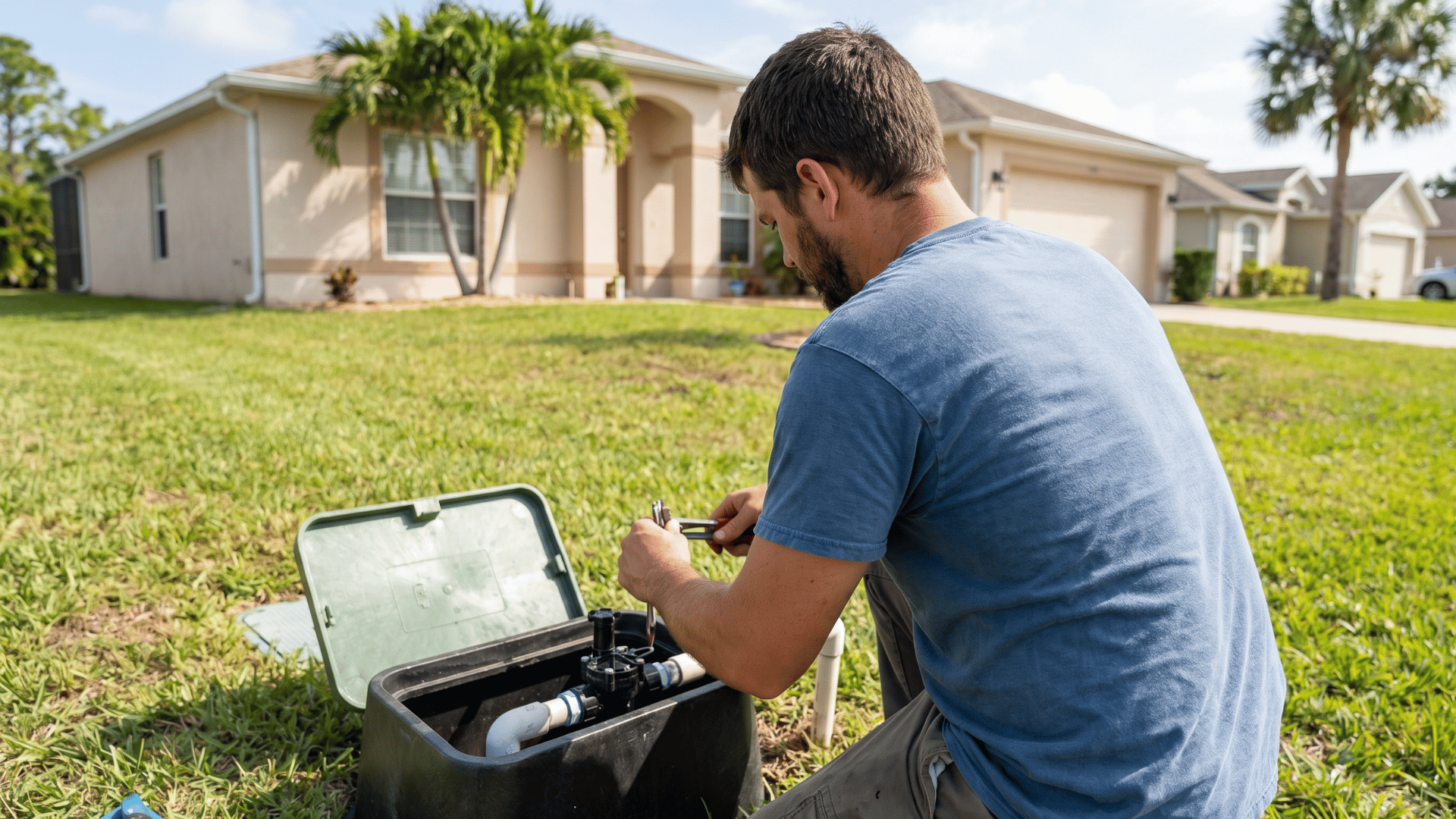
Most landscaping companies lose over $50,000 in potential revenue every year simply because they can't be found when customers search online. While you're relying on word-of-mouth and door knockers, your competitors are capturing leads 24/7 through SEO for landscaping companies.
The landscaping industry generates over $130 billion annually, with 83% of customers starting their search online before hiring a contractor. If you're not showing up in those searches, you're handing leads to competitors who understand how Google works.
Here's how to change that.
Why SEO Matters More for Landscaping Companies Than Other Industries
Landscaping is a visual business built on trust. When homeowners search for 'landscape design near me' or 'lawn care services', they're not just looking for the cheapest option — they're looking for proof you can deliver.
Search results give you that proof before you even walk onto their property. A landscaping company ranking on page one of Google immediately has more credibility than one buried on page three, regardless of actual skill level.
The numbers tell the story:
Search Position | Click-Through Rate | Monthly Leads (1,000 searches)
Position 1 — 28.5% — 285 leads
Position 5 — 8.2% — 82 leads
Page 2 — 0.9% — 9 leads
The difference between ranking first and fifth is 203 additional leads per month. For most landscaping companies charging $3,000–$15,000 per project, that's the difference between surviving and scaling.
The 4 Pillars of SEO for Landscaping Companies
Effective landscaping SEO isn't about gaming Google. It's about proving to search engines — and customers — that you're the obvious choice in your area.
Location-Based Keywords
Your customers aren't searching for 'landscaping services'. They're searching for 'landscaping companies in Orlando' or 'landscape design Winter Garden'. Google prioritizes local results for home service searches, which means location-based keywords are your foundation.
Target your primary service area plus surrounding suburbs. If you service Orlando, also target Kissimmee, Winter Garden, and Clermont. Create dedicated pages for each location with specific content about serving that area.
Tip: Use Google My Business Insights to see which areas generate the most calls, then prioritize those locations in your keyword strategy.
Service-Specific Content
Homeowners search for specific solutions, not generic landscaping. Target keywords like 'artificial turf installation', 'outdoor lighting design', 'irrigation system repair', and 'landscape maintenance'.
Create dedicated service pages for each offering. Don't bury everything under a generic 'services' page where nothing ranks well. Each service deserves its own detailed page with before/after photos, process explanations, and local project examples.
Google Business Profile Dominance
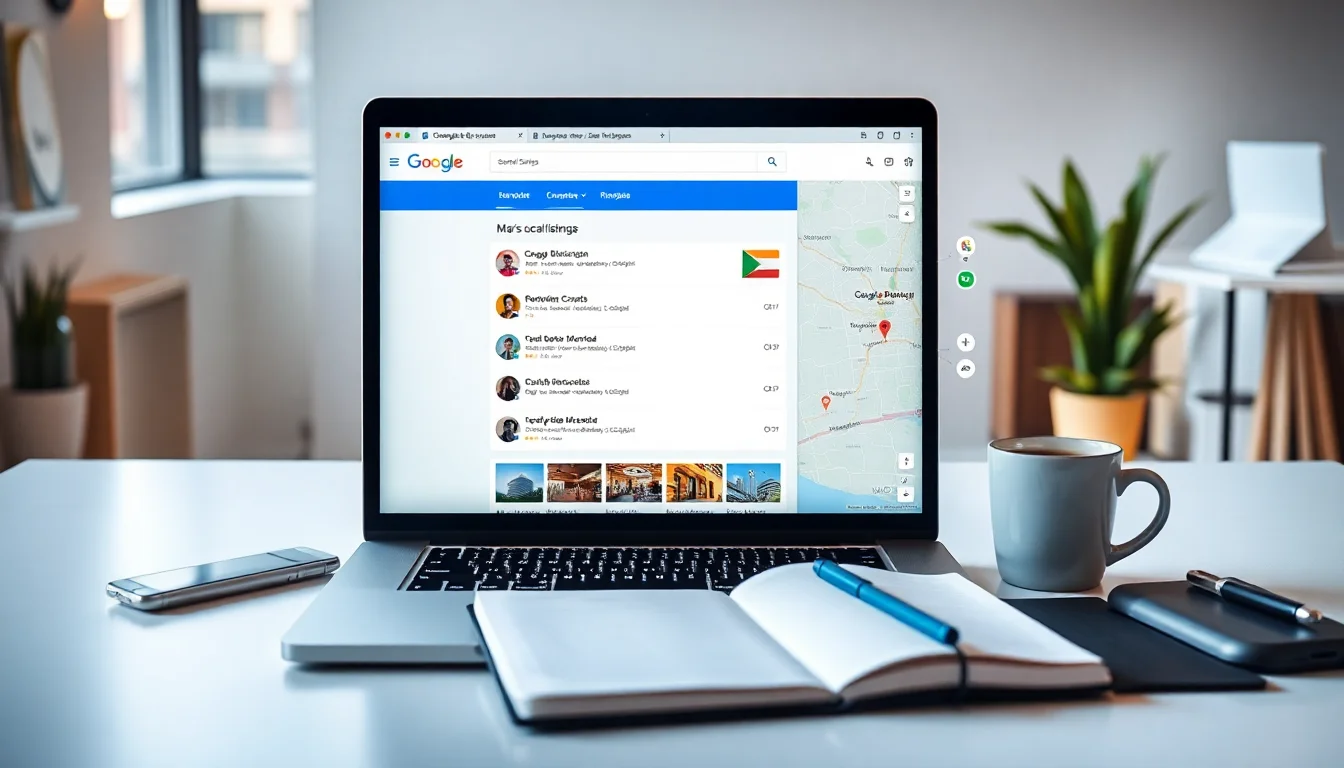
Your Google Business Profile is often the first thing customers see. Local SEO optimization starts with claiming and completing every section of your profile.
Upload high-quality photos weekly. Respond to every review within 24 hours. Post regular updates about completed projects. Google rewards active profiles with higher map rankings.
Note: 76% of customers who search for a local business visit within 24 hours. An incomplete Google Business Profile is like having a broken front door.
Content Strategy That Actually Converts
Most landscaping companies create content that sounds impressive but doesn't drive leads. The difference between content that ranks and content that converts comes down to search intent.
When someone searches 'how to fix brown grass', they're in problem-solving mode. Your content should provide the solution, then position your services as the professional alternative for homeowners who don't want to DIY.
When someone searches 'landscape design cost Tampa', they're in buying mode. Your content should address pricing transparently while emphasizing value and showcasing local work.
High-Converting Content Types
1. Before/after showcases: Create detailed case studies of transformation projects in specific neighborhoods. Include costs, timelines, and client testimonials.
2. Seasonal maintenance guides: Write comprehensive guides for spring lawn prep, summer irrigation tips, fall cleanup checklists. Position your maintenance services as the stress-free alternative.
3. Problem-solution articles: Address common issues like drainage problems, pest control, or irrigation failures. Explain DIY fixes, then offer professional solutions.
4. Local plant and design guides: Create content specific to your climate zone. 'Best drought-resistant plants for Central Florida' ranks better than generic gardening advice.
The key is producing content your ideal customer actually searches for, not what sounds good in a boardroom.
Technical SEO Basics for Landscaping Websites
Beautiful landscape photos mean nothing if your website loads slowly or breaks on mobile devices. Technical SEO ensures your content can actually be found and consumed.
Site Speed Optimization
Landscaping websites are image-heavy by nature. Compress photos before uploading and use modern image formats like WebP when possible. A site that takes more than 3 seconds to load loses 53% of mobile visitors.
Important: Test your site speed monthly using Google PageSpeed Insights. Anything below 90 on mobile needs immediate attention.
Mobile-First Design
68% of landscaping searches happen on mobile devices. Your website must look perfect on phones, not just desktop computers.
Ensure contact buttons are prominent, click-to-call works properly, and photo galleries load quickly. Mobile users want immediate answers — phone number, service areas, and pricing information above the fold.
Many landscaping companies excel at their craft but struggle with online marketing. That's where comprehensive digital marketing strategy makes the difference between steady growth and explosive scaling.
Local Link Building for Landscape Companies
Links from other websites signal to Google that you're a trusted local business. But not all links are created equal — you need links from sources your customers trust.
Partner with local nurseries, irrigation suppliers, and home improvement stores for cross-referrals and website links. Sponsor local events and ensure your website is listed on event pages.
Join local business associations and chambers of commerce. Most provide member directory listings with website links. These associations often rank well for '[city] business directory' searches.
Tip: Reach out to satisfied customers who own businesses and ask if they'd be willing to mention your work on their company blog or social media.
Common Mistakes That Kill Landscaping SEO
1. Generic service descriptions: Writing 'we provide quality landscaping services' instead of specific descriptions of irrigation installation, hardscape design, or seasonal maintenance programs.
2. Ignoring negative reviews: Letting bad reviews sit without responses. Every negative review is an opportunity to show potential customers how you handle problems professionally.
3. Inconsistent NAP information: Having different business names, addresses, or phone numbers across online directories. Google gets confused and your rankings suffer.
4. No location-specific content: Creating generic pages instead of dedicated content for each service area. A page titled 'Orlando Landscape Design' will always outrank a generic 'Landscape Design' page for local searches.
5. Stock photos everywhere: Using generic landscape photos instead of your actual work. Customers want to see local projects that look like their property.
6. Keyword stuffing: Cramming 'landscaping services Orlando' into every sentence. Google's algorithm is sophisticated enough to understand natural language and synonyms.
Measuring What Actually Matters
Most landscaping companies track the wrong metrics. Organic traffic growth looks impressive in reports, but it doesn't pay the bills.
Focus on metrics that directly impact revenue: qualified leads from organic search, cost per lead, and lead-to-customer conversion rates. Use call tracking numbers on your website to see which content drives phone calls.
Set up Google Analytics goals for form submissions, phone clicks, and quote requests. Track which blog posts generate the most leads, then create more content around those topics.
Note: The best SEO strategy is worthless if it doesn't drive measurable business growth. Every ranking improvement should translate to more qualified leads in your pipeline.
Get More Customers With Proven Landscaping SEO
Most landscaping companies waste months trying to figure out SEO while competitors capture the leads they should be getting. The strategies that work aren't complicated, but they require consistent execution and industry-specific knowledge.
Book your free strategy session or get in touch to see what's included.
Frequently Asked Questions
Most landscaping companies see initial ranking improvements within 2-3 months, with significant lead increases by month 6. Local SEO often shows faster results than national campaigns because you're competing in a smaller geographic area.
Both have their place. Google Ads provide immediate results but stop working when you stop paying. SEO takes longer to build but provides sustainable long-term growth. Most successful landscaping companies use both strategies together.
Google Business Profile optimization is the single most important factor for local landscaping companies. A complete, active profile with regular updates and customer reviews often outweighs other SEO efforts in local search results.
Most landscaping companies see positive ROI investing 3-7% of gross revenue in SEO and digital marketing. For a company generating $500,000 annually, that's $15,000-$35,000 per year in SEO investment.
Basic SEO tasks like updating your Google Business Profile and creating service pages are manageable in-house. However, competitive keyword research, technical optimization, and link building typically require specialized knowledge and tools that most business owners don't have time to master.







.png)














.png)
.png)
.png)
.png)
.png)

.png)
.png)
.png)
.png)
.png)


.png)
.png)


